

Subtotal $0.00
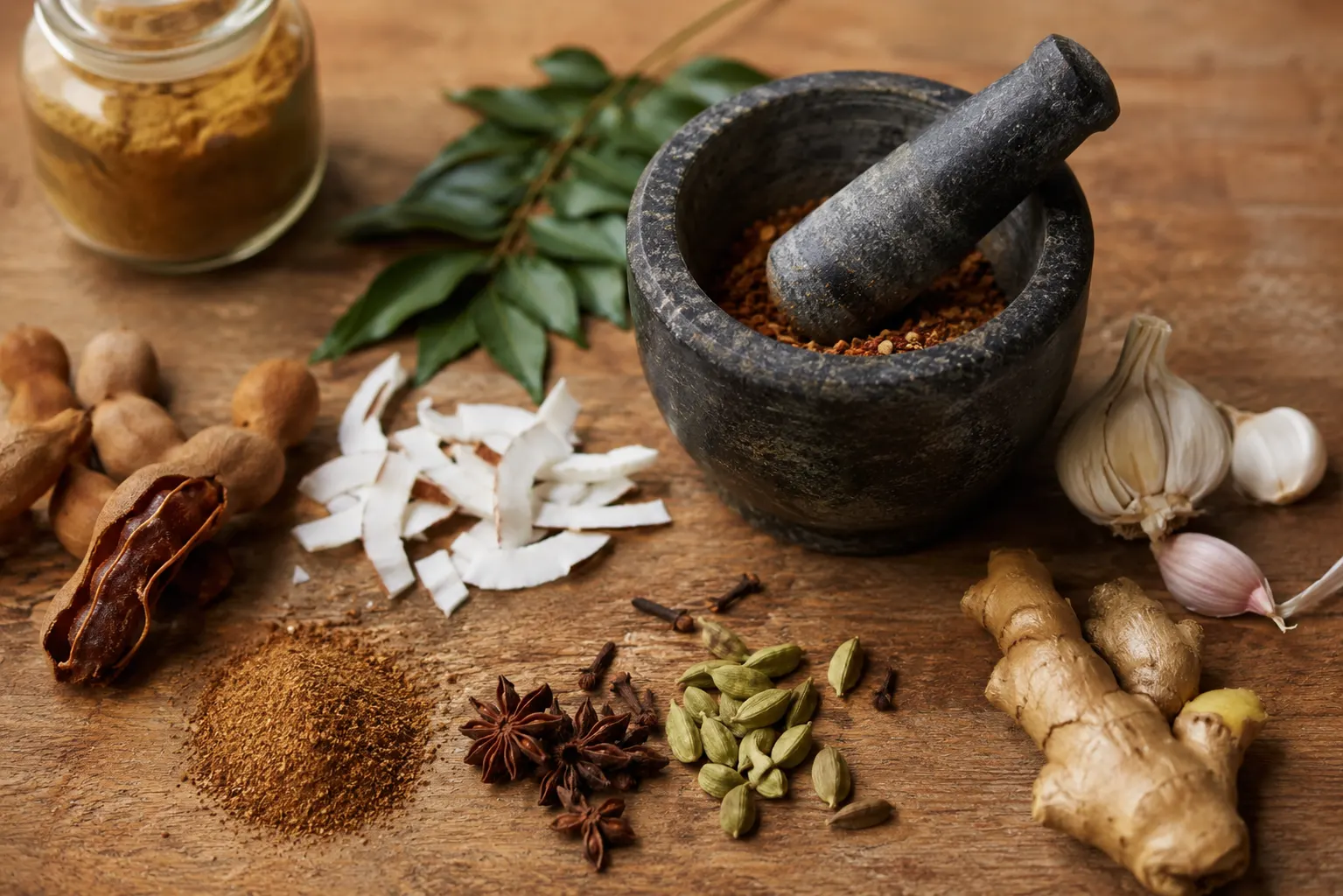
Walk into most Australian pantries and you’ll find a jar of curry powder sitting next to the cumin and paprika. That jar sits at the center of one of the most persistent Indian food myths still floating around today: the idea that a single yellow spice blend can represent a cuisine spanning 28 states and dozens of distinct culinary traditions.
Table of Contents
Curry Powder and India's Biggest Indian Food Myths
writing traces the pre-mixed blend to British colonial cooks who wanted a shortcut version of Indian flavor to bring home. Actual regional Indian cuisine doesn’t work off a fixed formula at all. A Kerala fish curry leans on curry leaves, coconut, and tamarind. A Punjabi dish might build its base from tomato, ginger, and garam masala added at the very end. Cooks blend spices fresh, adjusting for the dish, the season, and even the specific cut of meat or vegetable in front of them. There’s a good rundown of these regional differences if you want to see how varied the country’s food actually gets from state to state.
Spicy Does Not Mean Better
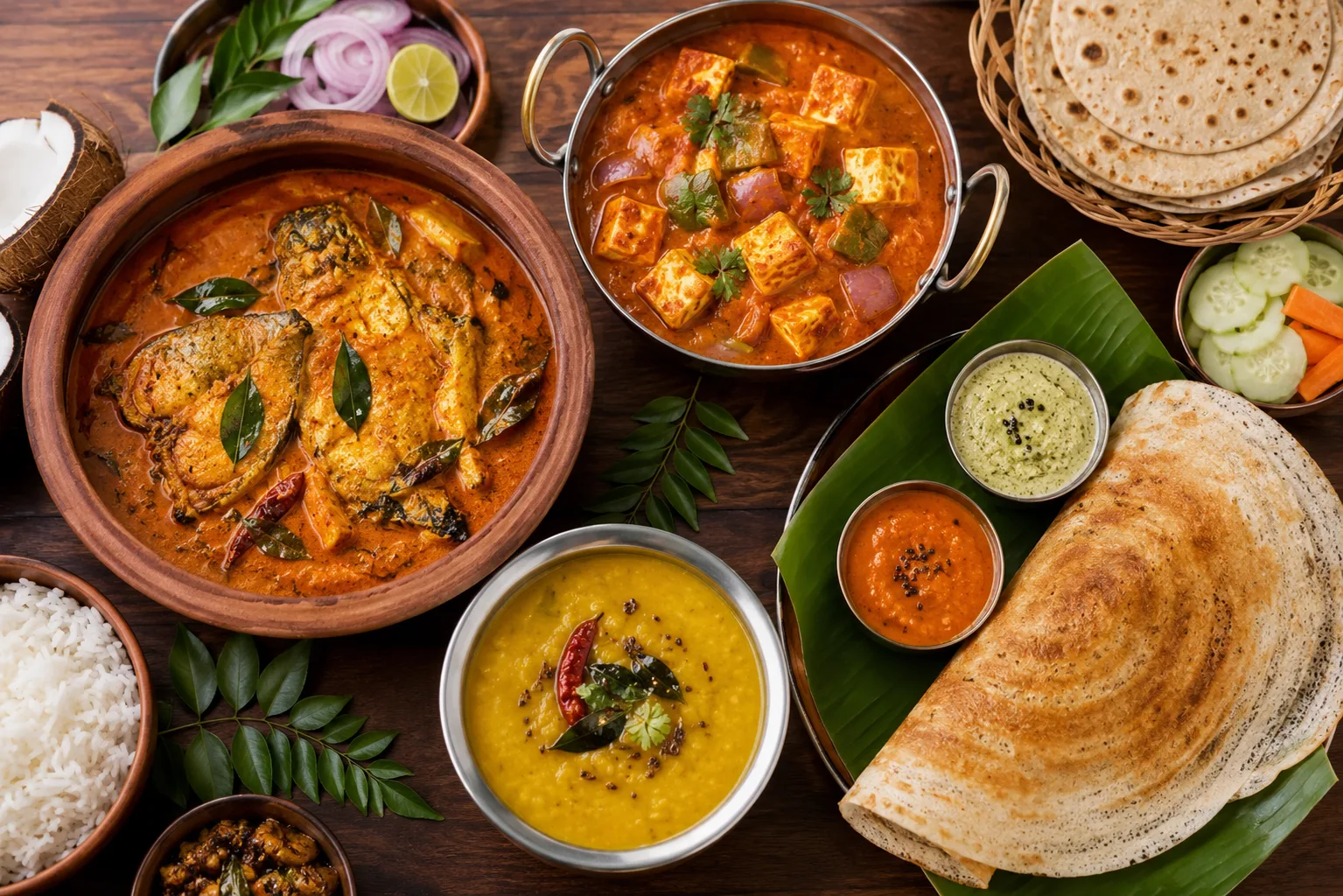
Another common assumption is that Indian food is judged by how much it burns. Heat is one tool among many. Traditional Indian spices like fennel, cardamom, and asafoetida are chosen for aroma and depth, not just fire. A well-made korma can carry almost no chili at all and still taste layered and complex. South Indian dosas, for instance, often lean on fermentation and subtle spicing rather than heat, which is part of why they read as lighter and more delicate on the palate than a lot of people expect walking in.
Not Every Dish Is Vegetarian, and Not Every One Is Meat-Heavy
There’s a stereotype that Indian food defaults to vegetarianism and a competing one that assumes every dish is drowning in meat and ghee. Neither holds up. India has one of the largest vegetarian populations in the world, but meat, poultry, and seafood are deeply woven into regional cooking, especially along the coasts and in states like Kerala where fish and prawns show up constantly. The split isn’t about the cuisine itself. It comes down to region, religion, and household habits, which is exactly why a single menu can carry a beef fry next to a paneer dish next to a plain dal.
Indian Food and the Health Myth
A lot of people assume Indian food is automatically heavy or unhealthy because of ghee and cream-based gravies. Some dishes are rich, the same way a French cassoulet or an Italian carbonara is rich. But a huge share of everyday Indian cooking, particularly South Indian meals built around lentils, rice, and vegetables, lines up closely with what public health guidance already recommends for balanced eating. According to Australia’s Eat for Health guidelines, a diet built around vegetables, legumes, and whole grains supports better outcomes than one built around processed, high-fat convenience food, and a lot of traditional Indian home cooking already fits that pattern before any modern nutrition trend caught up to it.
Final Thoughts
Indian food resists the shortcuts most menus try to put on it. It isn’t one spice blend, one heat level, or one dietary category. It’s dozens of regional traditions that borrow from each other while staying distinct enough that a dish from Kerala and a dish from Punjab can share almost nothing except the country they come from. That gap between what people expect and what’s actually on the plate is exactly why Indian food myths keep getting repeated instead of corrected. Next time a menu lists something unfamiliar, what’s stopping you from asking your server where the dish actually comes from?
FAQ
Not really, at least not in the pre-mixed jar form sold overseas. Home cooks and chefs across India build spice combinations dish by dish, adjusting ratios depending on what they're cooking. The bottled blend most people know as curry powder came out of British colonial kitchens trying to recreate Indian flavor from a distance.
No, and this trips up a lot of first-time diners. Chili heat is one ingredient choice among many, not a marker of authenticity. Plenty of well regarded regional dishes, including several South Indian preparations, rely on fermentation, coconut, or tamarind for flavor rather than chili at all.
Far from it. India has a large vegetarian population, but meat and seafood play a major role in many regional cuisines, particularly coastal states like Kerala. What ends up on a plate depends heavily on region, family background, and local tradition rather than any single national rule.
Naan is a North Indian bread, traditionally cooked in a tandoor oven, and it became the default bread on a lot of overseas menus because it travels well and photographs nicely. Southern states favor other breads entirely, including parotta and appam, which rarely get the same spotlight abroad.
That depends entirely on the dish. Rich, cream heavy preparations exist, the same way they do in most global cuisines. But a large share of everyday Indian cooking, especially meals centered on lentils, rice, and vegetables, aligns closely with standard balanced eating guidance rather than working against it.

