

Subtotal $0.00
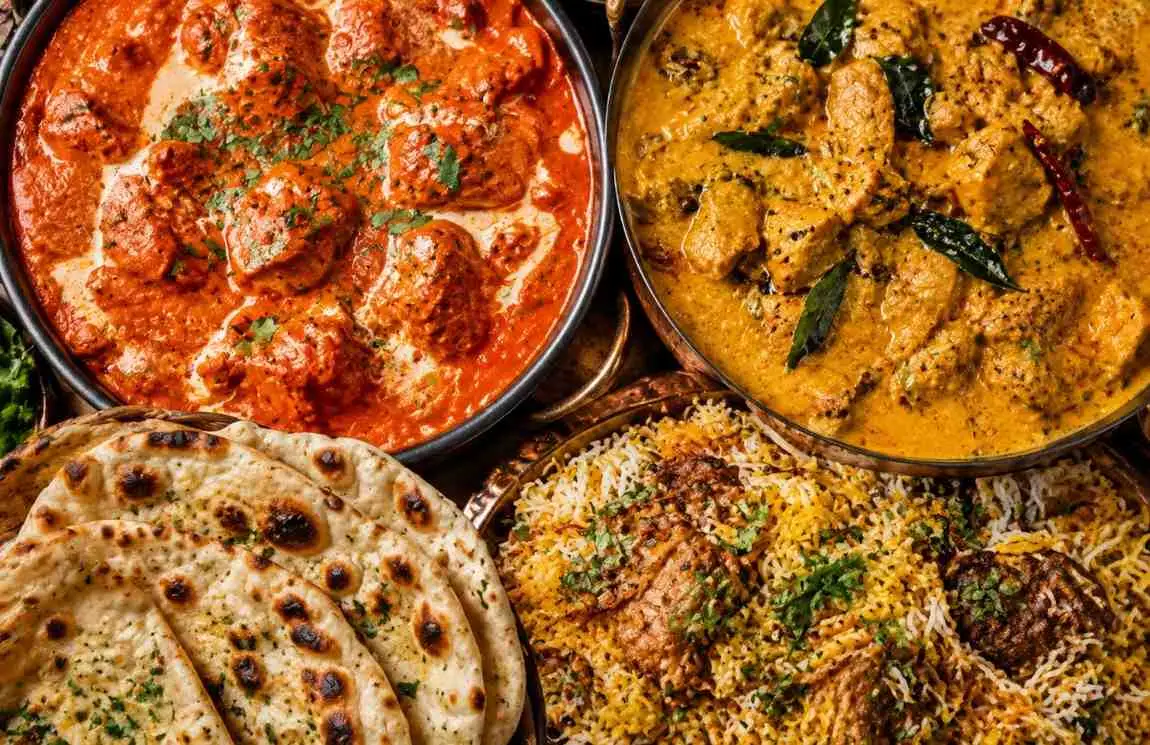
An Indian banquet rarely looks like a single plate handed to one person. At The Curry House in Campbelltown, the current menu carries thirteen bread choices, eight rice dishes, and twelve main courses split between smoky tandoori flavors and coconut-based Kerala curries, and that range is the whole point of the format. Nobody picks one dish and sits with it alone. Everything lands on the table close together, plates get passed around, and by the end of the meal most tables have worked through five or six different flavors instead of one.
Table of Contents
What Is the Shared-Plate Dining Habit Behind the Spread?
This style did not start as a restaurant trend. Long before banquets became a marketing term, meals across India were often built around a thali, a large platter carrying several small dishes arranged together rather than served one course at a time. Diners took a bit of everything and combined it at their own pace, a habit documented across regional food writing on Indian culture, including work from the Association for Asian Studies, which describes dishes served together rather than in sequence, closing with a cooling side such as yogurt before something sweet ends the meal. That same rhythm carries into a modern spread. Curries, breads, and rice dishes arrive close together instead of one after another, and the diner decides how to combine them rather than following a set order. Multiple regional cookbooks describe the same idea using different words, but the practical result is consistent: several dishes, one sitting, no fixed sequence.
Regional Indian Dishes Sharing One Table
A banquet spread only works if the dishes are different enough from each other to be worth trying side by side. Butter chicken carries the rich tomato and cream base typical of North Indian cooking. Pepper chicken masala and Chettinad chicken lean toward the drier, chili-forward style associated with South Indian kitchens, particularly Tamil Nadu. Fish biryani and mutton biryani bring in the layered rice technique that appears across several regions with local variation. The Curry House draws a direct line between Kerala’s coconut-based curries and North India’s tandoori cooking across its full range of Indian dishes, and that pairing means a banquet-style order can move from a mild coconut gravy to a sharper Chettinad dish within a few bites, without anyone leaving the table. Rice dishes on the current menu range from around eight dollars for a simple pulao to the mid-twenties for a full biryani, which makes it easy to mix a lighter side with a heartier one without doubling up unnecessarily.
Why an Indian Banquet Works for a Group
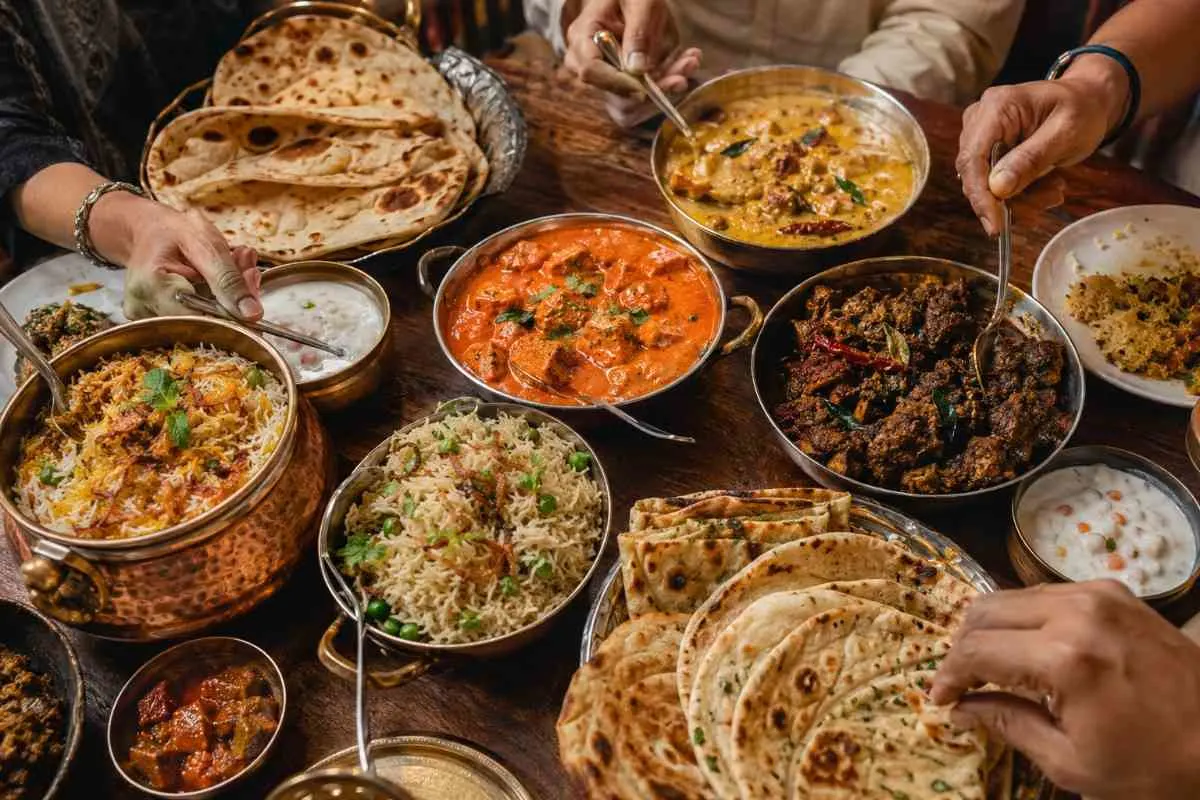
Group dining creates a practical problem. Six people rarely want the same main course, and ordering six separate dishes often means half the table finishes eating while the rest are still waiting on theirs. An Indian banquet avoids that by design. A handful of curries, a couple of rice options, and a stack of bread cover a wide range of tastes without anyone needing to commit to a single dish for the whole meal. The Curry House operates from Level 1, 192 Queen Street in Campbelltown, with dine-in service across lunch and dinner sittings throughout the week. Weekend hours start earlier, from 9 in the morning, which gives larger groups more flexibility when they gather around a shared order.
Building a Family-Style Indian Meal Without the Guesswork
Ordering this way is simpler than it sounds. Start with one or two curries set at different heat levels, add a lighter rice dish such as jeera & peas pulao alongside a heavier option like mutton biryani, then bring in bread to round out the table. Vegetarian and non-vegetarian dishes typically sit next to each other on the same menu rather than on separate lists, so mixed groups are not left choosing between two different meals entirely. A table for six might reasonably work through two curries, a biryani, one lighter rice dish, and three or four bread orders, though exact numbers depend on appetite and how many dishes everyone wants to try. There is no fixed formula. The combination shifts depending on how many people are eating and what they already feel like trying.
Final Thoughts
An Indian banquet works less because of how many dishes sit on the table and more because of how those dishes interact once they are all there together. The variety only makes sense when the flavors are different enough to notice, and that is where regional range does the real work. Next time a group is deciding how to order, the better question is not what to pick, but how many different dishes the table can reasonably fit.
FAQ
Not really, at least not in the pre-mixed jar form sold overseas. Home cooks and chefs across India build spice combinations dish by dish, adjusting ratios depending on what they're cooking. The bottled blend most people know as curry powder came out of British colonial kitchens trying to recreate Indian flavor from a distance.
Heat levels vary a lot by dish and region rather than being uniform across the board. Butter chicken sits on the milder end, while Chettinad chicken and pepper chicken masala carry noticeably more chili. Ordering a mix means the table gets both ends of that range instead of one fixed level for everyone.
Yes, and this is fairly standard in Indian dining. Veg mains and entrees usually sit on the same menu as chicken, lamb, or seafood dishes rather than requiring a separate vegetarian list, so a mixed group can order across categories and share everything from one spread.
Takeaway runs alongside dine-in service, which suits groups who want to eat a banquet-style spread at home rather than at the restaurant. Ordering ahead for a bigger group gives the kitchen time to prepare several dishes together instead of staggering them one at a time.
Thali is typically a single set plate with fixed portions of several dishes, meant for one diner. Banquet-style ordering is a shared version of that same idea, spreading the same range of curries, rice, and bread across a full table instead of portioning it onto individual plates.

