

Subtotal $0.00
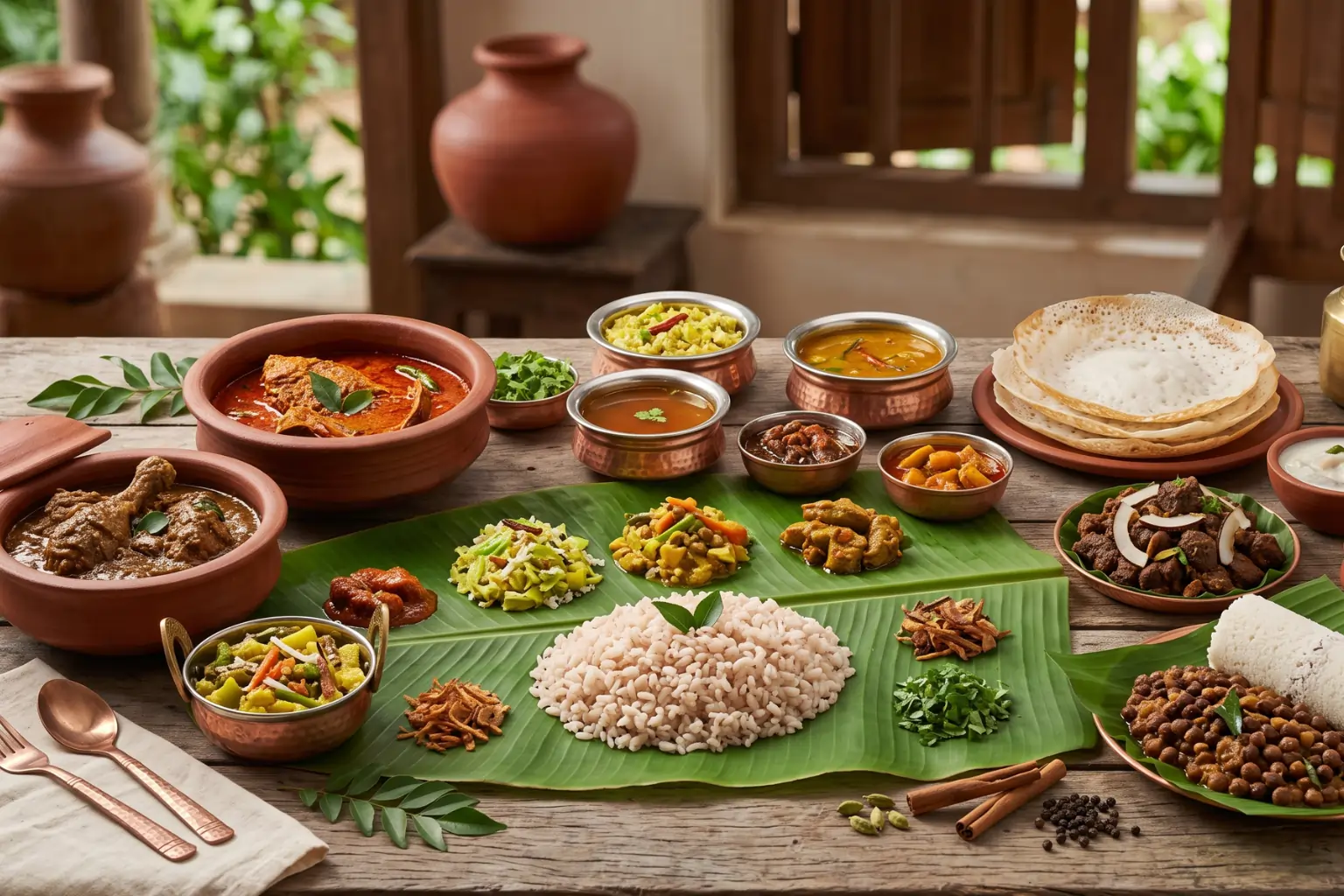
Dishes of India rarely stay in one lane. A single menu can move from a Kerala fish curry simmered in coconut milk to a North Indian butter chicken built on tomato and cream, and both belong to the same country’s cooking. At The Curry House in Campbelltown, that range shows up across the menu, from coastal specialties to the curry pots that made Indian food a household name overseas.
Table of Contents
What Makes Kerala Cuisine So Distinctive?
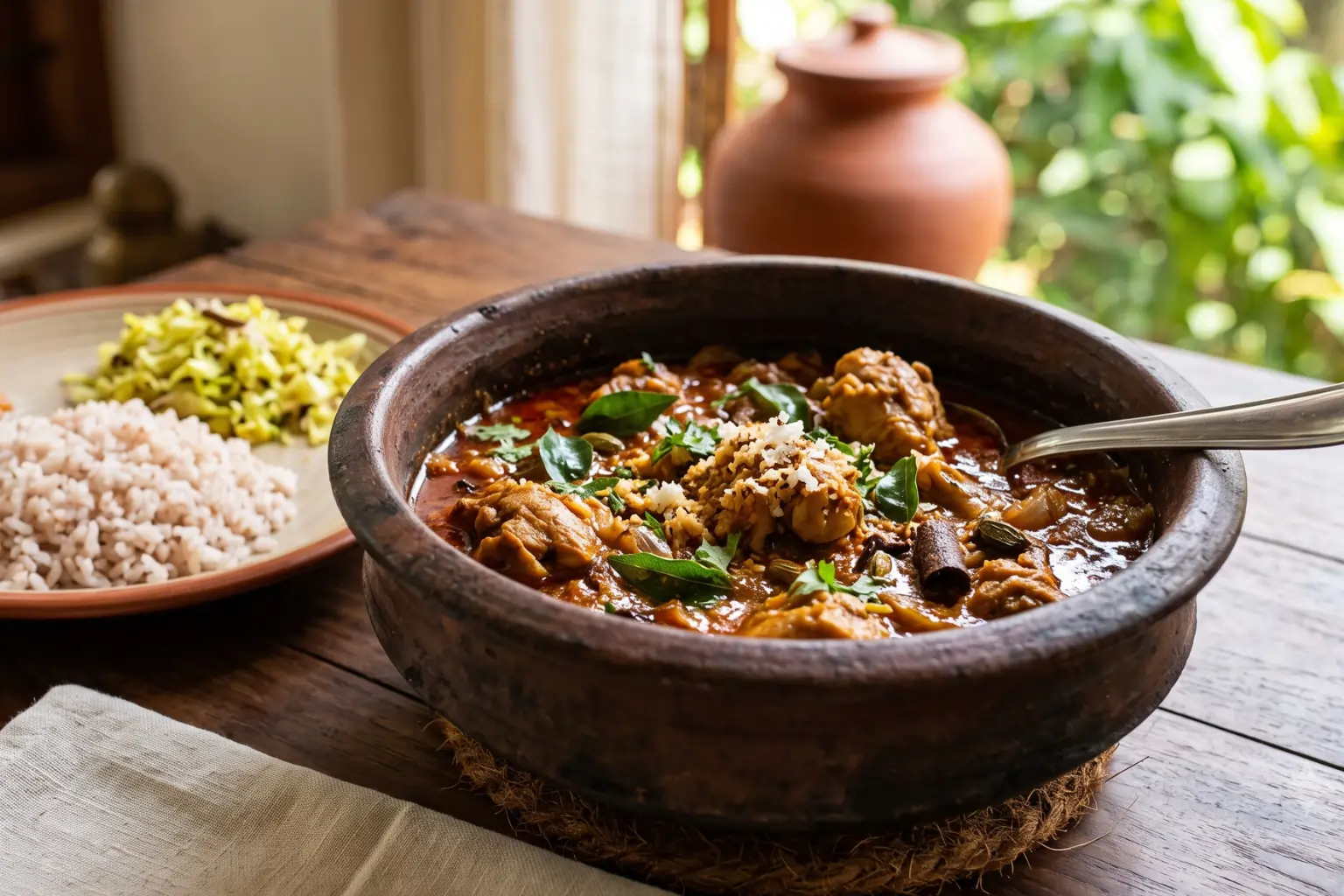
Kerala cuisine leans on coconut, curry leaves, and black pepper rather than heavy cream, and the difference is obvious from the first bite. Naadan chicken curry is the everyday version of this style, cooked slowly with shallots and roasted spice until the gravy turns a deep reddish brown. Kerala chicken roast pushes that same base into drier territory, with the sauce reduced until it clings to the meat instead of pooling around it.
Beef holds its own place on this part of the menu too. The beef roast comes dry and peppery, finished with curry leaves fried until they are crisp. Beef fry takes a similar direction but with a heavier hand on black pepper, and it pairs naturally with kizhi porotta, a layered flatbread pressed and pan-fried until it flakes apart in sections. For something lighter, kappa, which is simply boiled tapioca, sits on the menu almost like a side dish, though kappa biriyani turns the same root vegetable into a full rice-based meal with its own character.
North Indian Curry Pots That Travel Well
Butter chicken is the dish most people picture when someone mentions Indian food abroad, and for good reason. Tandoori-marinated chicken finished in a tomato and butter gravy is forgiving, mild, and consistent, which is exactly why it spread so far from its Delhi origins. Chicken tikka masala follows a related path, built around similar marinated chicken but with a spicier, more tomato-forward finish.
Karahi chicken is cooked fast in a wok-style pan with capsicum and onion, giving it a rougher texture than the smoother curries. Chicken hariyali korma takes the opposite approach, built on a green herb and cashew base that softens the spice level considerably. Mango chicken adds fruit sweetness into the mix, balancing tartness against the usual chili and garam masala. Chettinad chicken, from further south, is the sharpest of the group, built on a roasted spice blend that includes black pepper, fennel, and dried red chilies.
Seafood Specialties Worth Ordering First
Seafood dishes tend to reveal how a kitchen actually handles spice, since there’s less room to hide behind heavy sauce. Kerala fish curry, made with tamarind and coconut milk, is the benchmark here. Kerala style fish fry takes the same fish and applies a dry marinade before pan-frying, giving it a crisp edge that contrasts with the curry version. Meen pollichathu goes a step further, wrapping the marinated fish in banana leaf before grilling it, which locks in moisture and adds a faint smoky note. Crab roast, cooked in a thick reduced masala, rounds out this group and tends to be the messiest dish to eat and the one people remember longest.
Street Food Snacks for Sharing
Not every dish on this list needs a full plate to itself. Pav bhaji, a mashed vegetable curry served with buttered bread rolls, started as a Mumbai mill worker’s quick meal and still carries that same practical, shareable quality. Chole bhature pairs a spiced chickpea curry with fried bread that puffs up when it hits hot oil, and the combination is heavier than it looks on the plate. Samosa chaat takes the familiar fried pastry and breaks it apart, layering it with yogurt, tamarind, and spiced chutneys until it becomes something closer to a salad than a snack.
Final Thoughts on Dishes of India
The dishes of India are still only a partial map of what Indian cooking covers, but it’s enough to show the range between a coconut-based Kerala curry and a cream-based Punjabi one. Anyone building a first order might start with one dish from each region covered here rather than sticking to a single style. Which part of this list would you try first, the coastal seafood or the classic curry pot?
FAQ
Kerala cooking leans on coconut, curry leaves, and tamarind, while North Indian curries usually build on cream, tomato, and dairy-based gravies. Both use similar spice families, but the base ingredients change the whole character of the dish. Neither style is spicier by default. It depends on the specific recipe.
It's genuinely Indian, created in Delhi at a restaurant that needed a way to use leftover tandoori chicken. Cooks simmered it in a tomato, butter, and cream sauce to keep it moist, and the dish stuck around long after the original problem was solved. That accidental origin is part of why it traveled so well internationally.
Butter chicken and chicken hariyali korma are both mild by design, since korma relies on herbs and cashews rather than dried chili. Kerala fish curry sits in the middle, with tang from tamarind doing more work than heat. Chettinad chicken and beef fry are the ones to approach carefully if spice tolerance is low.
Kizhi porotta is a layered flatbread that gets folded and pan-fried until it separates into thin, flaky sections when torn. The name refers to the pressing technique, not an ingredient. It's typically paired with a drier curry like beef roast so the bread can soak up the masala without falling apart.
Pav bhaji and chole bhature are usually filling enough to work as a main course on their own, despite their street food origins. Samosa chaat is closer to a shared starter or a mid-meal snack. Portion size at any given restaurant will decide which role a dish actually plays on the table.

