

Subtotal $0.00
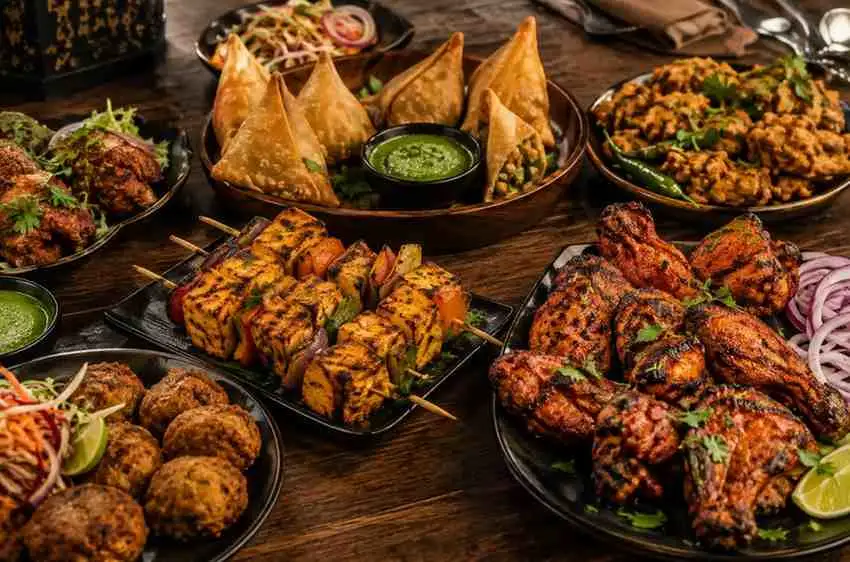
Indian appetizers rarely get the attention they deserve. Most first-time diners scan straight past the starters section, order a butter chicken, and skip the part of the menu built to wake up the palate before anything richer arrives. That’s a mistake, because the small plates are where a lot of the regional character shows up.
Table of Contents
Street Food Starters That Set the Tone
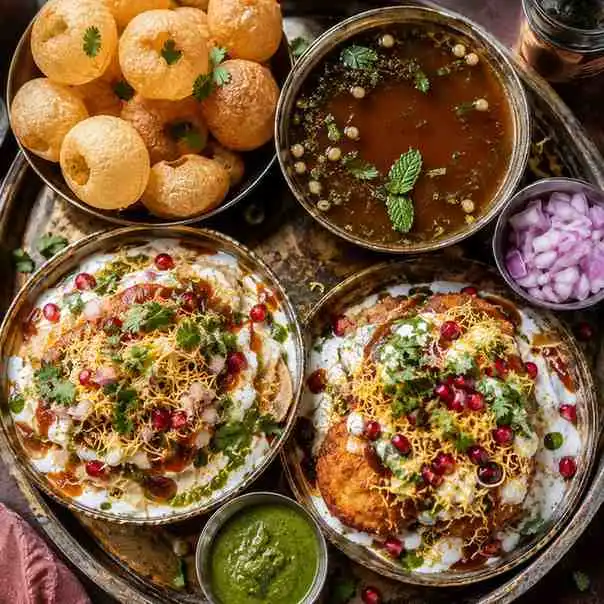
Chaat is the easiest entry point into Indian street food, and it covers more ground than a single dish name suggests. It’s really a category: fried dough, potato, chickpeas, yogurt, and a mix of tangy, sweet, and spicy chutneys, assembled in different combinations depending on the region. Food writers trace the roots of chaat back to the royal kitchens of Mughal emperor Shah Jahan, where spicy fried snacks paired with yogurt were originally served to offset the mineral content of the local river water. That royal habit eventually spilled into the street, and centuries later it’s become one of the most recognizable strands of Indian starters worldwide.
At The Curry House’s street food menu, that lineage shows up directly. Pani puri delivers the hollow fried shell filled with spiced water and a potato-chickpea mix, meant to be eaten in one bite so the filling doesn’t spill before it hits the tongue. Papdi chaat and dahi puri are built on the same base with crisp wafers, cooling yogurt, and tamarind chutney layered for contrast. Aloo tikki chaat takes a different route, built around a pan-fried potato patty topped with chickpeas and chutneys rather than a puffed shell. Samosa chaat does something similar with a broken-up samosa as the base.
Then there’s the heartier end of the category. Chole bhature pairs spiced chickpeas with fried bread, closer to a light meal than a bite-sized snack, and pav bhaji brings a buttered bread roll alongside a thick, mashed vegetable curry that originated as a quick lunch for Mumbai’s textile mill workers. Both work well as a shared starter for two people rather than a single-serve dish.
Vegetarian Starters With Real Texture
Not every Indian appetizer comes from the street food tradition. A second strand runs through tandoor-cooked and pan-fried vegetarian snacks, and this is where texture does most of the work.
Paneer tikka sizzler is a solid example. Cubes of paneer are marinated in yogurt and spices, then grilled until the edges char slightly while the center stays soft. Achari soya chap tikka takes a similar approach but leans on pickling spices, the achari style, for a sharper, more sour edge. Onion bhajia, thin slices of onion bound in chickpea flour batter and deep fried, is one of the simplest dishes on an Indian snacks menu and often one of the most requested, because the contrast between the crisp shell and soft onion inside is hard to get wrong when it’s fried fresh.
Vegetable samosa remains the benchmark against which most people measure everything else, a pastry shell filled with spiced potato and peas. Medu vada, a South Indian lentil fritter shaped like a small doughnut, brings a completely different texture: crisp outside, airy and slightly chewy inside, and traditionally served with coconut chutney and sambar. Vegetable railway cutlet, named for the snack carts once common on Indian train platforms, mixes vegetables and mashed potato into a breaded, pan-fried patty. Kerala-style banana fry, made from ripe plantain dipped in a light batter, is a Kerala-specific entry that leans sweet rather than savory, and it’s worth trying if the rest of the meal is going to be spice-forward.
Non-Vegetarian Starters Built for the Tandoor
The non-vegetarian side of the starter menu leans heavily on the tandoor rather than the fryer, and the flavor profile shifts with it, with more char and marinade and less batter. Tandoori chicken, sold as a half-or a full-bird, is the reference point most people already know: yogurt-marinated, colored with spice rather than dye, and cooked hot enough to blister the skin. Chicken tikka and chicken 65 sizzler take the same bird in different directions, the tikka staying closer to the classic yogurt marinade, the chicken 65 sizzler pushing into a drier, chilli-forward South Indian style.
Seekh kebab and Afghani malai tikka sit at opposite ends of the spice spectrum. Seekh kebab is minced meat pressed onto skewers and grilled, punchy with cumin and chilli, while Afghani malai tikka goes creamy, marinated in cashew paste and cream before it hits the tandoor, and reads much milder as a result. Tandoori lamb cutlets and tandoori prawns bring the same cooking method to red meat and seafood, and prawn fry offers a pan-fried alternative for anyone who wants the seafood without the smoky tandoor edge. Beef cutlet and beef dry fry round out the category with a heavier, more South Indian preparation, closer to the Kerala style of cooking beef with curry leaves and coconut than to North Indian tandoori food. Tandoori momo, a dumpling finished in the tandoor rather than steamed, is worth flagging separately since it’s closer to a Tibetan-Nepali border dish than a strictly Indian one, but it’s become a regular fixture on Indian starter menus regardless.
Why Indian Appetizers Matter Before the Main Course
The point of an Indian appetizer course isn’t just to fill time before the mains arrive. Regional cuisines in India developed distinct starter traditions partly around climate and partly around what pairs well with the curries that follow. Fried, spiced snacks are common because they stand up to bold main courses without getting lost, and the acidity in most chutneys resets the palate between bites of richer food.
There’s also a genuine texture argument. A meal built entirely around curries and rice tends to flatten out after a few bites, everything soft, everything sauced. A crisp samosa, a tangy chaat, or a charred paneer tikka breaks that pattern before it sets in.
For anyone new to ordering, a reasonable approach is to pick one item from the street food side and one from the tandoor or fried vegetarian side, split them between two or three people, and use them to gauge spice tolerance before committing to a main course.
Final Thoughts
Indian appetizers cover a wider range than most menus let on, from Mughal-era street snacks to Kerala fried plantain. The easiest way to find a favorite is to order two or three different starters on the next visit and compare textures rather than sticking to one familiar dish. What’s the last Indian appetizer that actually surprised you?
FAQ
Chaat specifically refers to the street food category built around fried dough, potato, and chutneys, usually with a yogurt or tamarind element. Tandoor-cooked items like paneer tikka or fried snacks like samosas fall under the broader Indian appetizer umbrella but aren't technically chaat.
Not always. Dishes like medu vada or vegetable cutlets are lean and mild, while chaat varieties can range from tangy to genuinely hot depending on the chutney mix. Ordering a mix of styles is the easiest way to find your comfort zone.
Yes. Categories like veg entrees and most street food items are built around potato, lentils, paneer, and chickpeas rather than meat, so vegetarian diners usually have more starter options than main course options.
Restaurant-prepared pani puri uses controlled ingredients and kitchen hygiene standards, which is different from roadside versions in India that depend heavily on the individual vendor. At a licensed restaurant, it's prepared under the same food safety rules as any other dish on the menu.
Two shared starters are usually enough before a main course, ideally one from the street food side and one from the fried or tandoor side, so the flavors don't overlap too closely.

