

Subtotal $0.00
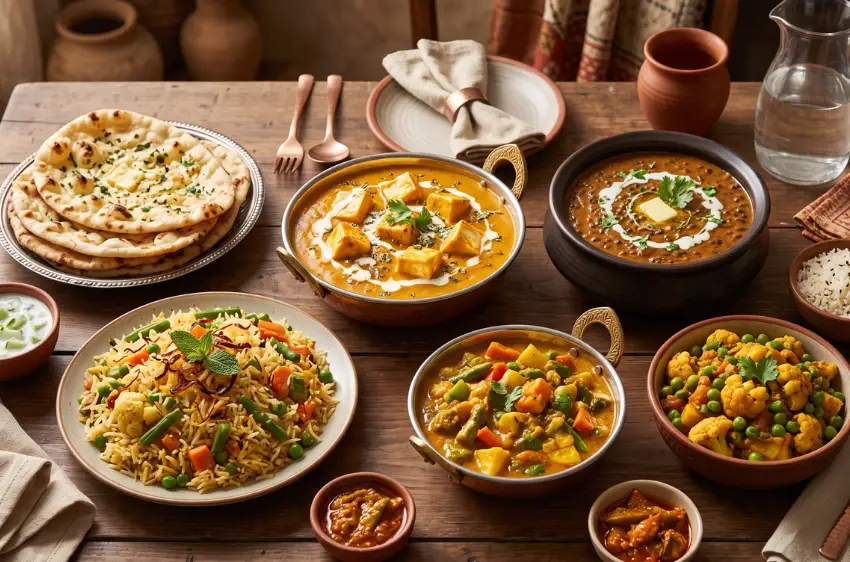
Walk into a South Indian kitchen around lunchtime, and the first thing you notice is the smell of mustard seeds hitting hot oil. That single step, tempering whole spices before anything else goes into the pot, is the backbone of most traditional Indian curries. It is also the part that gets skipped the most in versions made outside India.
Vegetarian curry in India was never a substitute dish or a side thought. In many regions it is the main event, built from lentils, paneer, seasonal vegetables, and a spice base that changes from state to state. That variety is easy to miss if the only reference point is a single “vegetable curry” listed on a takeaway menu.
Table of Contents
| No | Section Name |
|---|---|
| 1 | Traditional Indian Curries Built Around Vegetables and Legumes |
| 2 | North Meets South on the Same Plate |
| 3 | Texture Does Half the Work |
| 4 | What to Order If You Are New to This |
| 5 | Final Thoughts |
| 6 | FAQ |
Traditional Indian Curries Built Around Vegetables and Legumes
What separates authentic Indian curries from a generic gravy dish is the layering. Onion, ginger, and garlic form a base. Ground spices go in next, usually toasted first to release their oils. Then comes the main ingredient, whether that is paneer, chickpeas, okra, or a lentil blend, until the spices and the vegetable actually merge instead of just coating each other.
Dal tadka is a good example. Cooked lentils get finished with a separate tempering of ghee, cumin, and dried chili poured over the top just before serving. Chana masala follows a different logic entirely, built on a tomato and onion base with amchur, or dried mango powder giving it a sharp edge. Neither dish tastes anything like the other, even though both fall under the broad label of curry.
North Meets South on the Same Plate
Regional identity matters more in Indian cooking than most menus let on. A traditional Indian vegetable curry from Kerala usually leans on coconut, curry leaves, and mustard seed, giving dishes a lighter, slightly sweet profile. Head north, and the same category of dishes shifts toward cream, cashew paste, and garam masala, producing something richer and more spice-forward.
Paneer dishes show this split clearly. Palak Paneer, made with pureed spinach and soft cubes of cottage cheese, sits firmly in the North Indian tradition. Paneer makhani follows a similar path, built on a tomato and butter gravy that coats the paneer rather than absorbing into it. Compare that to a Kerala-style vegetable stew, and the difference in both texture and spice logic becomes obvious within one bite.
Texture Does Half the Work
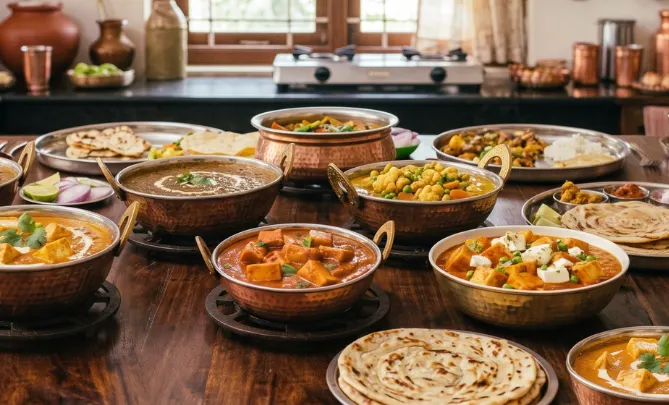
People tend to focus on spice level and skip texture, but texture is often what makes a curry memorable. Malai kofta uses fried vegetable and paneer dumplings sitting in a smooth, slightly sweet gravy, so the dish plays softly against softly. Bhindi masala goes the other direction on purpose, cooking okra dry enough that it keeps a bit of bite rather than turning slick, which is a common complaint about poorly made okra dishes.
Mix veg korma sits somewhere in between, combining several vegetables in a mild, nut-based gravy that is closer to a stew than a sharp curry. According to Britannica, the spice blend used in a curry, known as masala, varies by region and by the individual cook rather than following one fixed recipe, which explains why the same dish name can taste completely different depending on where it was made.
What to Order If You Are New to This
For anyone easing into vegetarian Indian food, dal makhani is usually the safest starting point. It is creamy, mild, and forgiving, made with black lentils slow-cooked with butter and cream. From there, paneer vindaloo is a reasonable next step for those who want more heat, since vindaloo traditionally carries a vinegar tang alongside the chilli.
Methi mushroom matar delight is worth a mention too, since fenugreek leaves give it a slightly bitter edge that most curries do not have, balanced out by peas and mushroom. The full range of these dishes is available at The Curry House, what they actually feel like eating that day.
Final Thoughts
Traditional Indian curries are not one dish wearing different names. They are a set of regional techniques, spice logics, and textures that happen to share a broad category label in English. Once the differences between a Kerala coconut curry and a North Indian paneer dish are clear, ordering off a menu stops being a guessing game.
Which region’s flavor profile sounds closer to what you actually enjoy, the coconut and curry leaf base of the south or the cream and cashew richness of the north?
FAQ
Not always. Heat depends on the region and the specific dish rather than the category as a whole. Kerala-style curries lean toward warmth and coconut sweetness, while a vindaloo brings noticeable chilli. If spice level worries you, ask before ordering rather than assuming every curry runs hot.
Paneer is a fresh, unaged cheese made by curdling milk, and it holds its shape well in a gravy without absorbing liquid the way tofu does. Texture-wise, paneer stays firm and slightly springy, which is part of why dishes like palak paneer and paneer makhani rely on it specifically.
Definitely. Dal makhani or chana masala paired with rice or bread covers protein, carbohydrates, and fat in one plate. Legume-based curries in particular are dense enough that they do not need a meat dish alongside them to feel complete.
Coconut milk, cashew paste, and slow-cooked onions all bring natural sweetness without anyone adding sugar to the pot. Korma-style dishes and Kerala coconut curries lean on this the most, which is why they read as milder even when the spice count is similar to a sharper dish.
Start mild and creamy. Dal makhani or mix veg korma gives a gentle introduction without skipping the actual spice complexity that makes the cuisine what it is. From there it gets much easier to figure out which regional style actually suits your palate.

