

Subtotal $0.00
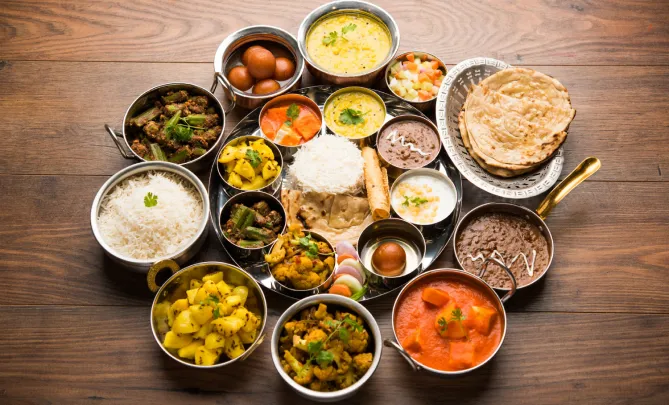
You’re hungry. You’re on a budget. Usually, that combination leads to sad, greasy fast food that leaves you looking for a snack an hour later. It’s frustrating. But Indian cuisine is built on a different logic. It’s about high-fiber grains, protein-packed legumes, and hearty portions that don’t drain your wallet. If you are looking for affordable Indian meals, you don’t have to settle for small portions or bland flavors.
The secret lies in the staples. Rice, lentils, and seasonal vegetables are the backbone of the most satisfying dishes on the menu. At The Curry House, we focus on traditional recipes that prioritize substance over fluff. Whether you are a student pulling an all-night study session or a business owner looking for a quick, solid lunch, these meals hit the spot every single time.
Table of Contents
Which Rice-Based Dishes Offer the Best Value for Money?
Jeera and peas pulao and fish biryani are the top contenders because they combine complex carbohydrates with essential nutrients to keep you full longer. Rice isn’t just a side dish in Indian cooking; it’s the main event.
Jeera & Peas Pulao: The Light Giant
Don’t let the simplicity fool you. This isn’t just plain white rice. Cumin (jeera) and green peas turn a basic grain into a fragrant, fiber-rich meal. It is incredibly cheap to produce, which reflects in the price tag, yet it provides a steady release of energy. It’s the perfect base that doesn’t need much else to feel like a complete dinner.
Fish Biryani: The Balanced Powerhouse
While some biryanis can get pricey, a well-made fish biryani often sits at a sweet spot for value. You get high-quality lean protein paired with spiced basmati rice. It’s a dense, aromatic experience. Because the rice absorbs the moisture and oils from the fish, every bite is packed with calories that count.
What Are the Most Filling Affordable Indian Meals With Curry?
Simple vegetable curries like chana masala, dal tadka, and aloo gobi are the most cost-effective way to get a heavy, satisfying meal when paired with bread or rice. These dishes rely on “bulk” ingredients that have been used for centuries to feed large families without spending a fortune.
Chana Masala and Dal Tadka: Protein on a Budget
Chickpeas and lentils are the kings of satiety. Chana masala is thick, tangy, and loaded with plant-based protein. Dal tadka is the ultimate comfort food. It’s warm, creamy, and hits your stomach with a weight that says, “You’re done for the day.” These are often the lowest-priced items on a menu but offer the most “fullness” per dollar spent.
Aloo Gobi and Mix Veg Korma
Potatoes (Aloo) are the world’s favorite filler for a reason. In Aloo gobi, they are charred with cauliflower and turmeric. Mix veg korma takes whatever is in season and simmers it in a rich, slightly creamy sauce. When you scoop these up with a piece of warm naan or a heap of rice, the combination of fats and fibers ensures you won’t be reaching for the biscuit tin later.
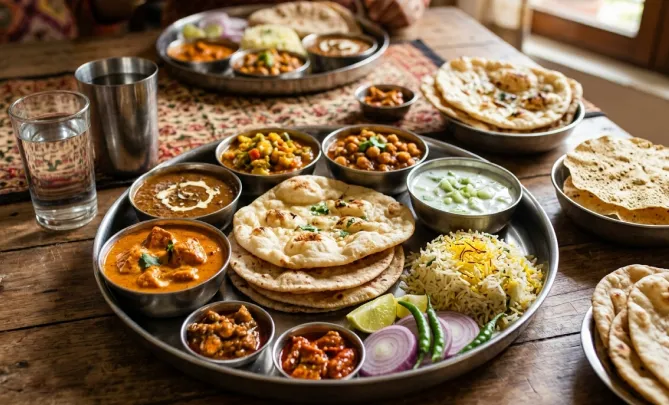
Why Are Kerala-Style Combos So Heavy and Satisfying?
Kerala-style meals are famous for being “heavy” because they often swap standard grains for denser alternatives like kappa (tapioca) or pair spicy seafood with coconut-based gravies. This region doesn’t do light snacks; it does fuel.
Kappa: The Ultimate Budget Filler
If you haven’t tried kappa, you’re missing out on the most efficient meal in the affordable Indian meals category. It’s a mash made from tapioca root. It is starchy, thick, and sits heavy in the stomach in the best way possible. In Kerala, it’s the go-to meal for laborers and farmers because a small amount provides energy for hours of hard work.
Naadan Chicken Curry and Kerala Fish Curry
Pairing kappa or red rice with a naadan chicken curry is a pro move. The “naadan” style is rustic and spicy, using local spices that kickstart your metabolism. Similarly, Kerala Fish Curry uses tamarind or kokum for a sharp tang that cuts through the richness of a coconut base. These combos are designed to be eaten in large portions, ensuring you leave the table completely satisfied.
How Can You Maximize Your Meal at The Curry House?
Look for combinations. Instead of ordering multiple small appetizers, go for a single, hearty main with a side of rice or bread. Indian food is designed to be shared, but if you’re eating solo, a single order of a lentil-based dish and a portion of jeera rice is often enough for two meals.
Focus on Fiber and Fats
The reason these meals work so well is the balance. The fiber in the chickpeas and lentils slows down digestion, while the healthy fats in the coconut milk or ghee keep your brain happy. You aren’t just eating calories; you are eating nutrition that satisfies the body’s hunger signals.
Final Thoughts
Eating well doesn’t have to mean spending a lot. From the starch-heavy goodness of kappa to the protein-rich punch of chana masala, Indian cuisine offers plenty of ways to stay full on a budget. Which of these hearty classics are you going to try next?
FAQ
Go for the dal tadka with plain rice. Lentils are pure protein and fiber, and rice is the ultimate filler. It's usually the most budget-friendly combo on any menu, and it's basically a hug in a bowl. You won't be hungry for hours.
Compared to a lamb or goat biryani? Yes, usually. Fish is often more accessible and cooks faster, making it a great value-for-money choice when you want that "biryani experience" without the "biryani price tag."
It’s the fiber, man. Most Indian dishes are loaded with legumes, whole spices, and vegetables. These take longer for your body to break down than a burger bun. Plus, the spices help with digestion so you feel satisfied, not just bloated.
Think of it as the tropical version of mashed potatoes, but way denser. It’s made from cassava (tapioca) root. It’s a staple in Kerala because it’s cheap to grow and incredibly filling. If you see it on a menu, order it. It's a game-saver for your wallet.

