

Subtotal $0.00
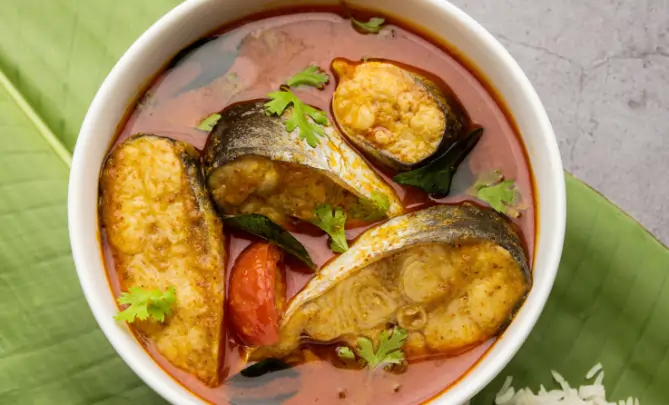
The short answer? Coconut and tamarind.
If you’ve only ever had heavy, cream-based Indian dishes from the north, your first bite of a Kerala curry will be a shock to the system. It’s lighter. It’s tangier. It’s a tropical punch to the taste buds. While much of Indian cuisine relies on onions and tomatoes for bulk, Kerala looks to the trees, specifically the coconut palm.
In this corner of South India, curry isn’t just a meal; it’s an identity. It reflects a coastal history of spice trading and a climate that demands something refreshing yet bold. Here is why the flavors of the “Land of Coconuts” are impossible to replicate with a generic spice mix.
Table of Contents
| No | Section Name |
|---|---|
| 1 | Why Is Coconut the Soul of Kerala Curry? |
| 2 | How Does the Cooking Style Differ? |
| 3 | Final Thoughts |
| 4 | FAQ |
Why Is Coconut the Soul of Kerala Curry?
Everything starts with the coconut palm. In Kerala, we use the whole fruit, oil, milk, and grated flesh.
Unlike the heavy butter or ghee used in other regions, coconut oil provides a distinct, nutty aroma that defines a Kerala curry. It’s the base for the “tempering” (tadka), where mustard seeds and curry leaves are sizzled until they pop. Coconut milk adds a creamy finish that isn’t heavy like dairy, making the dish feel vibrant rather than sluggish.
The Secret Ingredient: Tamarind
If you wonder why a fish curry from Kerala has that sharp, addictive sourness, thank the tamarind. Whether it’s the soaked pulp or the smoked “black tamarind” (Kodampuli), it adds a fruity, mouth-watering tartness. It doesn’t just flavor the gravy; it balances the heat of the chillies.
In many traditional recipes, tamarind is the key to that signature “zing.” It’s this balance of fat from the coconut and acid from the fruit that makes South Indian food so balanced. It keeps the palate clean and makes you want to go back for a second (or third) scoop of rice.
Fresh Curry Leaves and Black Pepper
While many curries rely on dried powders, Kerala focuses on the fresh stuff. Curry leaves are used by the handful, not as a garnish but as a primary aromatic. Then there is the black pepper. Malabar was the world’s pepper capital for centuries, and that punchy, earthy heat is far more common here than the one-dimensional fire of red chilli powder.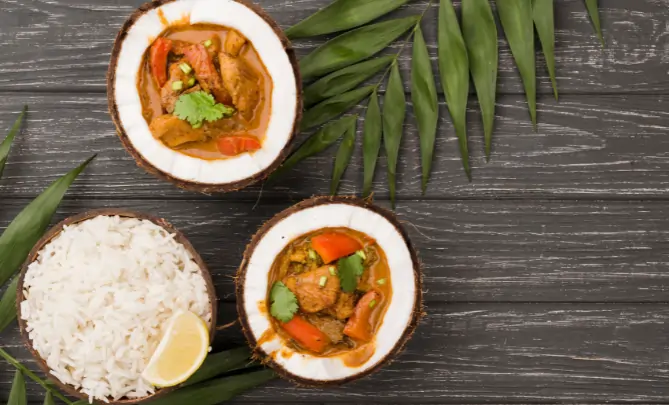
How Does the Cooking Style Differ?
It’s all about the layers. A true Kerala special curry isn’t rushed.
At The Curry House, we follow these traditional methods because you can’t shortcut the soul. We start with the aromatics in hot coconut oil, letting the mustard seeds sing. Then come the shallots—which are sweeter and more intense than standard red onions. The spices are toasted just enough to release their oils without burning.
Coastal vs. Inland Flavors
Because Kerala has a massive coastline, seafood is king. A Kerala fish curry is a masterclass in balance, using tamarind to highlight the fresh catch. Move further inland, and you’ll find richer meat dishes like Beef Ularthiyathu, where the meat is slow-roasted with coconut slivers until it’s dark and intensely flavorful.Final Thoughts
The magic of Kerala food is that it feels like home, even if you’ve never been to the coast. It’s complex, aromatic, and surprisingly healthy. Once you’ve experienced that specific blend of coconut and tamarind, a standard curry just won’t cut it anymore.
FAQ
It can be, but it’s a different kind of heat. It’s often a "warm" heat from black pepper and ginger rather than the "stinging" heat of green chillies. The coconut milk does a great job of mellowing everything out.
Hardly ever. In Kerala, we use coconut milk or ground coconut paste to get that thick, rich texture. It’s naturally dairy-free and much lighter on the stomach.
Appams (fermented rice pancakes) are the gold standard. They are soft and fluffy in the middle with crispy edges—perfect for soaking up every drop of gravy. Malabar Parotta is another crowd favorite if you want something flaky and indulgent.

