

Subtotal $0.00
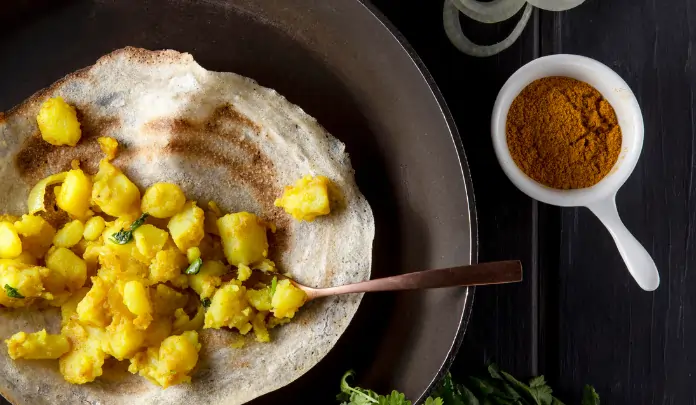
Think South Indian cooking and food is just heavy carbs and deep-fried snacks? Think again. Most people see a plate of idli and think “comfort food.” I see a nutritional powerhouse.
The truth is, the foundation of South Indian cooking is built on functional ingredients that do more than just taste good. They’re basically medicine in a spice jar. At The Curry House, we don’t just cook for flavour; we cook for the soul and the body.
Here are five surprisingly healthy ingredients hidden in your favourite South Indian dishes.
Table of Contents
Is Curry Leaf Just for Garnish?
The short answer? Absolutely not. Most people push these small green leaves to the side of their plate. Big mistake.
Curry leaves are packed with antioxidants and have been used for centuries to help manage blood sugar. They also give your digestion a serious nudge in the right direction. When we temper them in hot oil, they release essential oils that make your gut happy. Next time you order a South Indian cravings menu, eat the leaves. Your hair and skin will thank you later.
The Magic of Fermented Lentils and Rice
Why Do We Use So Much Mustard Seed?
Ever wonder why you feel energized rather than sluggish after a South Indian breakfast? It is all about the fermentation.
The batter for idlis and dosas isn’t just sitting there. It’s busy growing healthy probiotics. This process breaks down complex carbs and makes minerals like iron and zinc easier for your body to soak up. It is basically a spa day for your microbiome. It’s why South Indian food is a staple for anyone looking for a probiotic-rich diet that actually tastes amazing.
Those tiny black seeds that pop in the pan are more than just a texture play. Mustard seeds are a fantastic source of selenium and magnesium.
In the world of South Indian cooking, they act as a natural anti-inflammatory. They help clear out congestion and kickstart your metabolism before you’ve even taken your first bite. We use them in almost every base because they provide that signature “snap” while keeping your heart health in check.
Is Coconut Actually Good for You?
There was a time when “experts” told everyone to avoid coconut because of the fat. They were wrong.
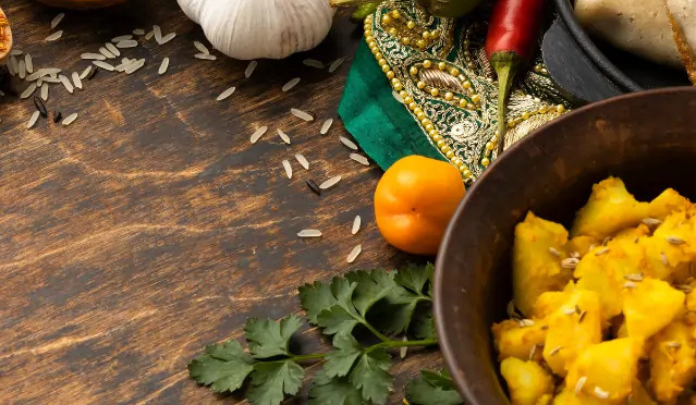
The medium-chain triglycerides (MCTs) in fresh coconut are a quick energy source for your brain. Unlike other fats, your body uses these immediately rather than storing them. Whether it’s in a spicy chutney or a creamy vegetable stew, coconut provides the healthy fats your nervous system craves. It’s nature’s fuel.
Tamarind: The Tangy Digestion Aid
If you’ve ever had Rasam, you’ve tasted the sharp, mouth-watering tang of tamarind. But it’s not just there for the zing.
Tamarind is loaded with tartaric acid, a powerful antioxidant that protects your cells from damage. More importantly, it’s a legendary digestive aid. It helps your body process fiber-rich lentils without bloating. It is the secret weapon behind why South Indian food feels so balanced.
Final Thoughts
Eating healthy doesn’t have to mean bland salads or chalky protein shakes. The vibrant, spicy, and tangy world of South Indian cooking is already doing the heavy lifting for you. You just have to know what’s on your fork.
FAQ
Yes, if you do it right. The fermentation makes it easy on the gut, and we use minimal oil. It’s miles better than a processed bagel or sugary cereal.
Go for the Idli. They’re steamed, not fried, and packed with fermented protein. Pair it with a vegetable-heavy Sambar, and you’ve got a perfectly balanced meal.
Go for the Idli. They’re steamed, not fried, and packed with fermented protein. Pair it with a vegetable-heavy Sambar, and you’ve got a perfectly balanced meal.
You hit the jackpot. Most of our traditional dishes are naturally vegan. We use coconut milk and lentils instead of dairy and meat, so you aren't missing a thing.

