

Subtotal $0.00
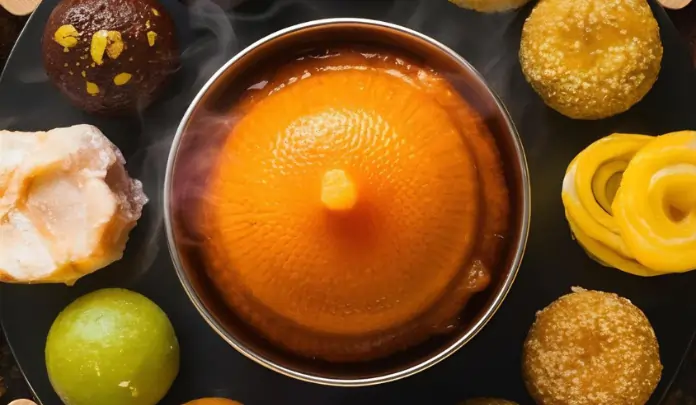
If you think dessert is just about sugar, you’ve been missing out. In the world of Indian desserts, sweetness is just the canvas. The real stars are the aromatics—saffron, cardamom, and rose water—that turn a simple treat into a full-sensory experience. It’s not just a “final course”; it’s a cultural ritual.
At The Curry House, we don’t do boring things. We serve traditional sweets that rely on slow-cooked milk, nutty textures, and floral infusions. Whether you’re a lifelong fan or a curious newcomer, understanding these flavors will change how you view your post-dinner cravings. Ready to ditch the standard chocolate cake for something with a bit more soul?
Table of Contents
| No | Section Name |
|---|---|
| 1 | The Big Three: Aromatics That Define the Taste |
| 2 | Textures You Can Sink Your Teeth Into |
| 3 | Why Milk is the Secret Ingredient |
| 4 | Final Thoughts |
| 5 | FAQ |
The Big Three: Aromatics That Define the Taste
What makes a dessert “Indian”? It isn’t just the ingredients; it’s the perfume. Unlike Western sweets that rely heavily on vanilla, we use spices that wake up your palate.
Cardamom: The Warm Heart of the Dish
Cardamom is the backbone of almost every dessert we serve. It’s minty, herbal, and slightly citrusy. In our kitchen, we use it to cut through the richness of thickened milk. Without it, a dessert like Ras Malai would just be sweet; with it, it becomes a complex masterpiece.
Saffron: The Golden Touch
Saffron is the world’s most expensive spice for a reason. It adds a subtle earthy honey note and a vibrant golden hue. You’ll find it infused into the creamy milk of our Ras Malai, giving it that iconic, luxurious finish.
Textures You Can Sink Your Teeth Into
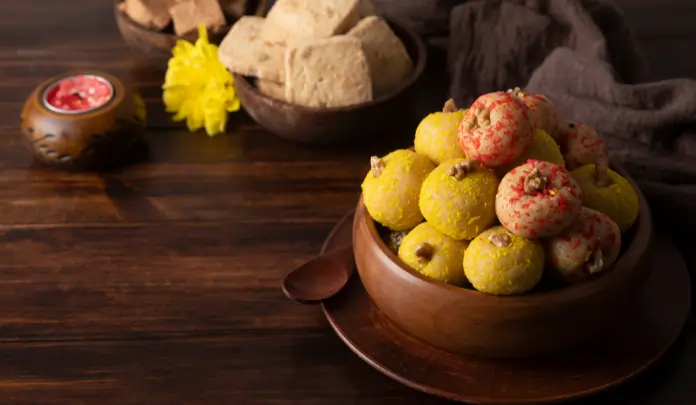
In many cultures, “soft” is the only goal for dessert. Indian sweets play with texture in a way that’s much more adventurous.
The Spongy Soak of Gulab Jamun
Take Gulab Jamun, for example. These aren’t just “doughnuts.” They are soft, milk-solid spheres that have been deep-fried and then bathed in a rose-scented syrup. The texture is delicate—one press of your spoon and the syrup should ooze out. It’s the ultimate comfort food for anyone with a serious sweet tooth.The Creamy Density of Mango Kulfi
Then there’s Mango Kulfi. People often call it “Indian ice cream,” but that’s not quite right. Kulfi isn’t churned, so it doesn’t have air whipped into it. It’s dense, creamy, and slow-melting. Because we use real mango pulp, every bite is a concentrated burst of tropical flavor that holds its shape much longer than a standard scoop of vanilla.Why Milk is the Secret Ingredient
Most of our traditional recipes start with one thing: patience. We take whole milk and simmer it for hours until it reduces into a thick, fudge-like substance called khoya.
This slow-cooking process caramelizes the natural sugars in the milk, giving Indian desserts a deep, nutty flavor that you can’t get from a can. It’s the difference between a “quick snack” and a dessert that’s been crafted with heritage in mind.
Final Thoughts
Indian sweets are an invitation to slow down. They are rich, fragrant, and designed to be savored one small, flavor-packed bite at a time. So, the next time you’re finishing a spicy curry, don’t just skip to the check. Have you ever tried a dessert that smells like a garden and tastes like a cloud?
FAQ
They can be, but the best ones (like ours!) use spices like cardamom and saffron to balance that sugar. It’s more about the aroma and the creamy texture than just a "sugar rush."
Think of Gulab Jamun as a warm, syrup-soaked doughnut. Ras Malai is more like a chilled, creamy cheesecake dumpling floating in saffron milk. One is warm and syrupy; the other is cool and milky.
Not even close. Kulfi is made from milk that's been boiled down until it’s super thick and caramelized. It’s much richer and denser than yogurt or regular ice cream. It doesn't melt instantly, which is perfect for a hot day.
Most are! We use milk, ghee, and nuts. However, always check if you have specific dietary needs. At The Curry House, we keep things traditional, so dairy is usually the star.

